UMAMI // RAMEN旨味
MENU
OPEN / 営業中11:00–23:00
LOADING SEQUENCE
00%120 FRAMES
SLOW-SIMMERED // No.01
UMAMI
//RAMEN

旨味 // 拉麵

Slow-simmered. Bowl by bowl.

SPECIFICATION // No.02
// 02THE DEEPENING

仕様書 · 深める · FUKAMERU

CORE TEMP50°C

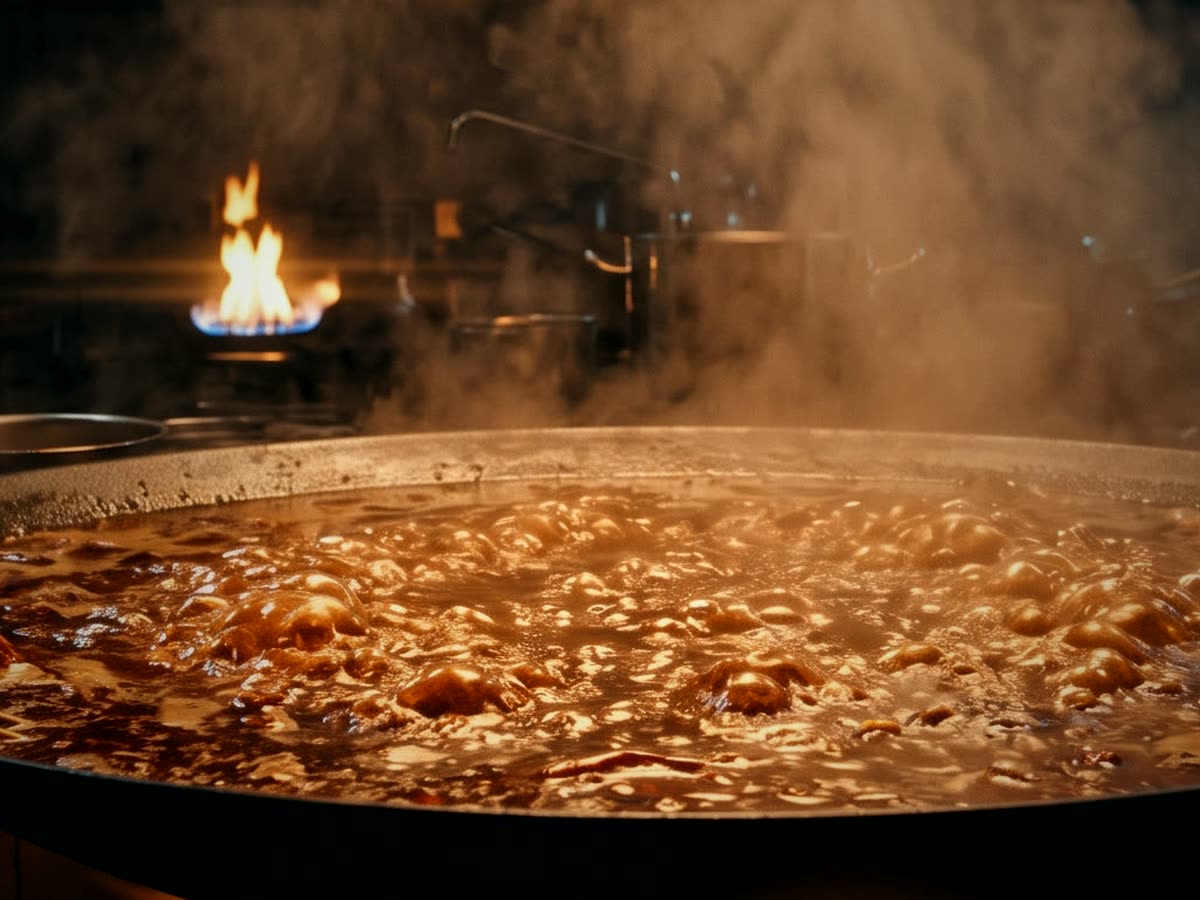
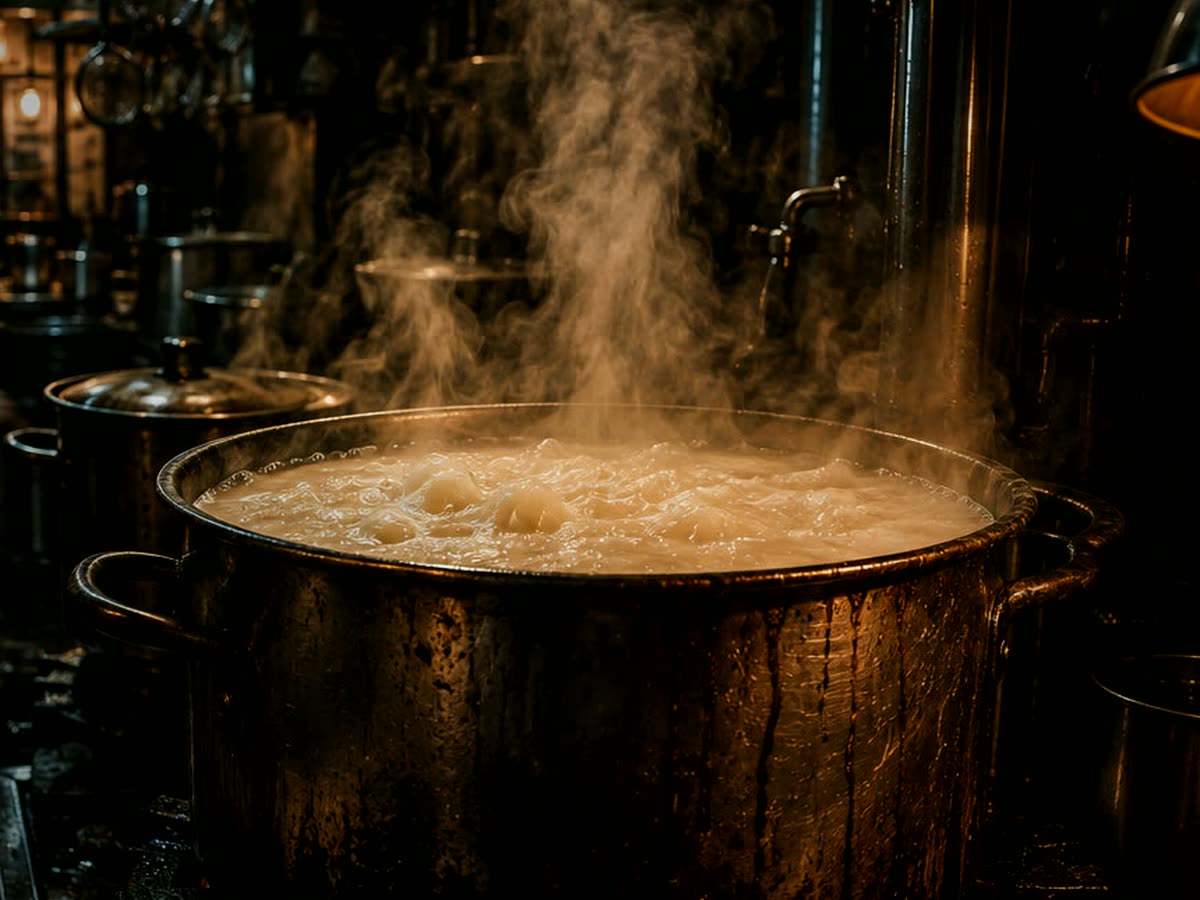
Sixty hours over a low flame. The bones give up their collagen slowly, and nothing about that can be hurried.

BROTHTONKOTSU 60H
NOODLE#22 STRAIGHT
TARESHOYU 3Y
FATBACK-FAT 12G
SERVE92°C
BATCH004 OF 120
ORIGINYOKOHAMA 1910
CHAPTER THREE // No.03
03.THE WORLD
OF STEAM

湯気の世界 · YUKE NO SEKAI

Steam is the first thing you taste. It carries the fat, the aromatics and the heat to you before the spoon does.

STEAM RATE0.60G/S
— A DOSSIER OF ORIGIN

BORNFROMTWOWORLDS

·

拉麵 · ラーメン

Born in Yokohama, 1910.Chinese wheat noodles meetJapanese craft.
SPECIMEN 001 // YOKOHAMA // EST 1910
MENU
SIGNATURE // THREE BOWLS
// 01.

THE LINEUP

ラインナップ

SHIRO TONKOTSU — 白豚骨
01 / 白豚骨

SHIRO TONKOTSU

16

白豚骨

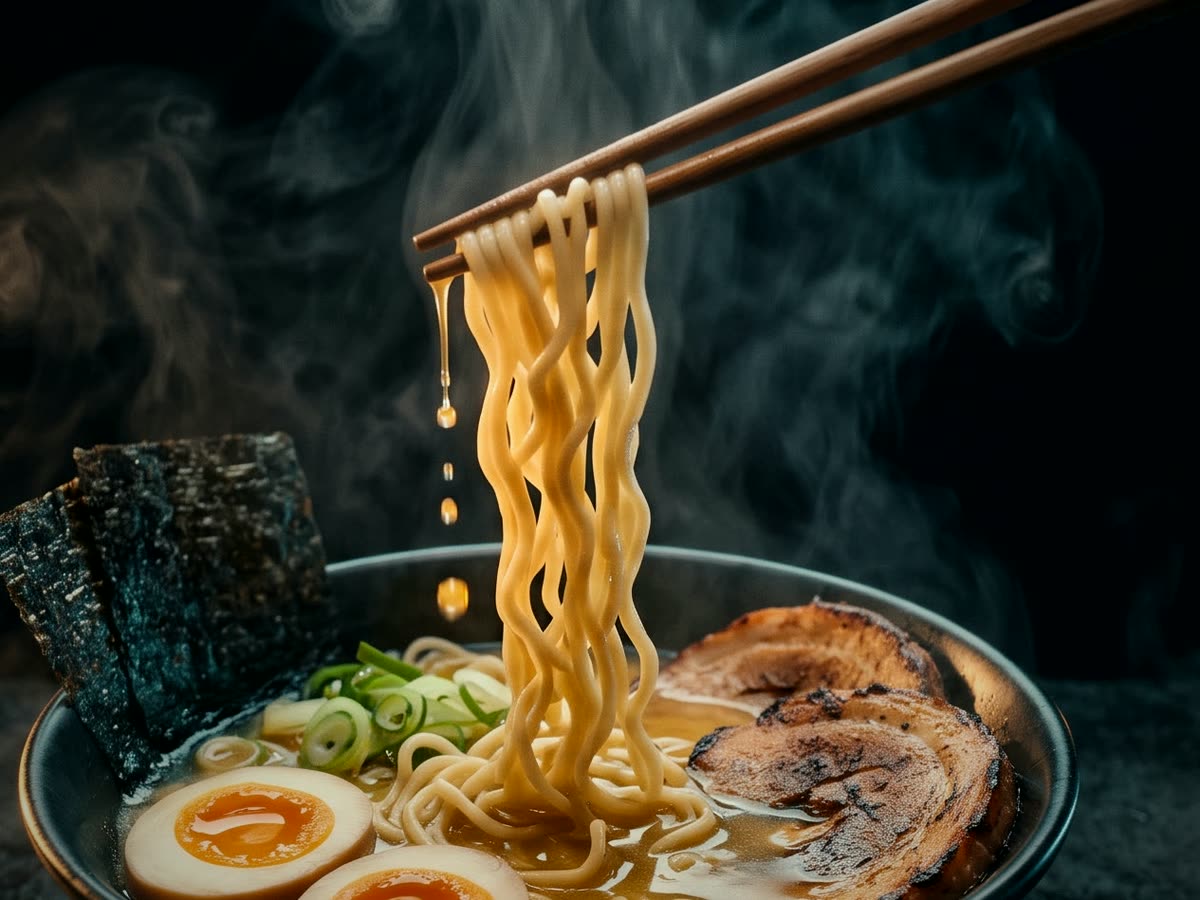
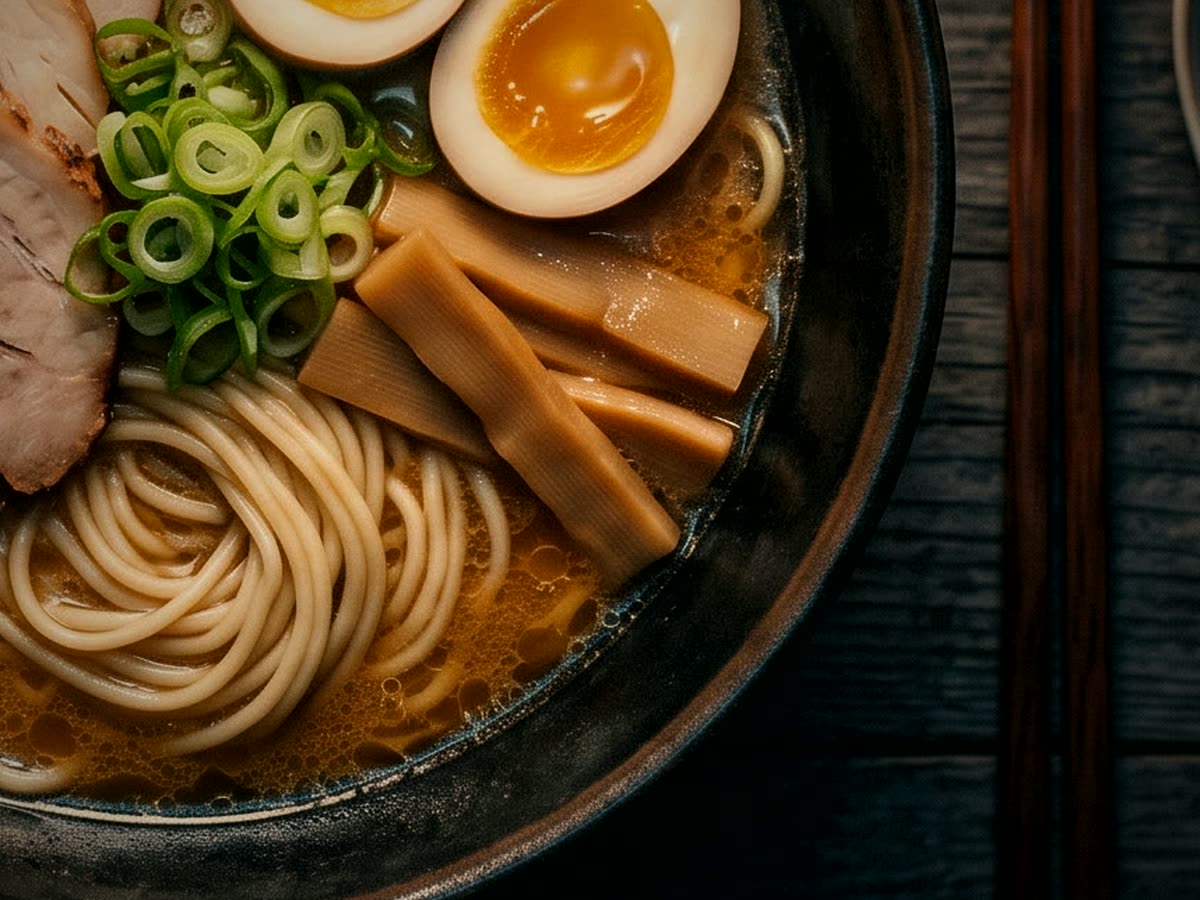
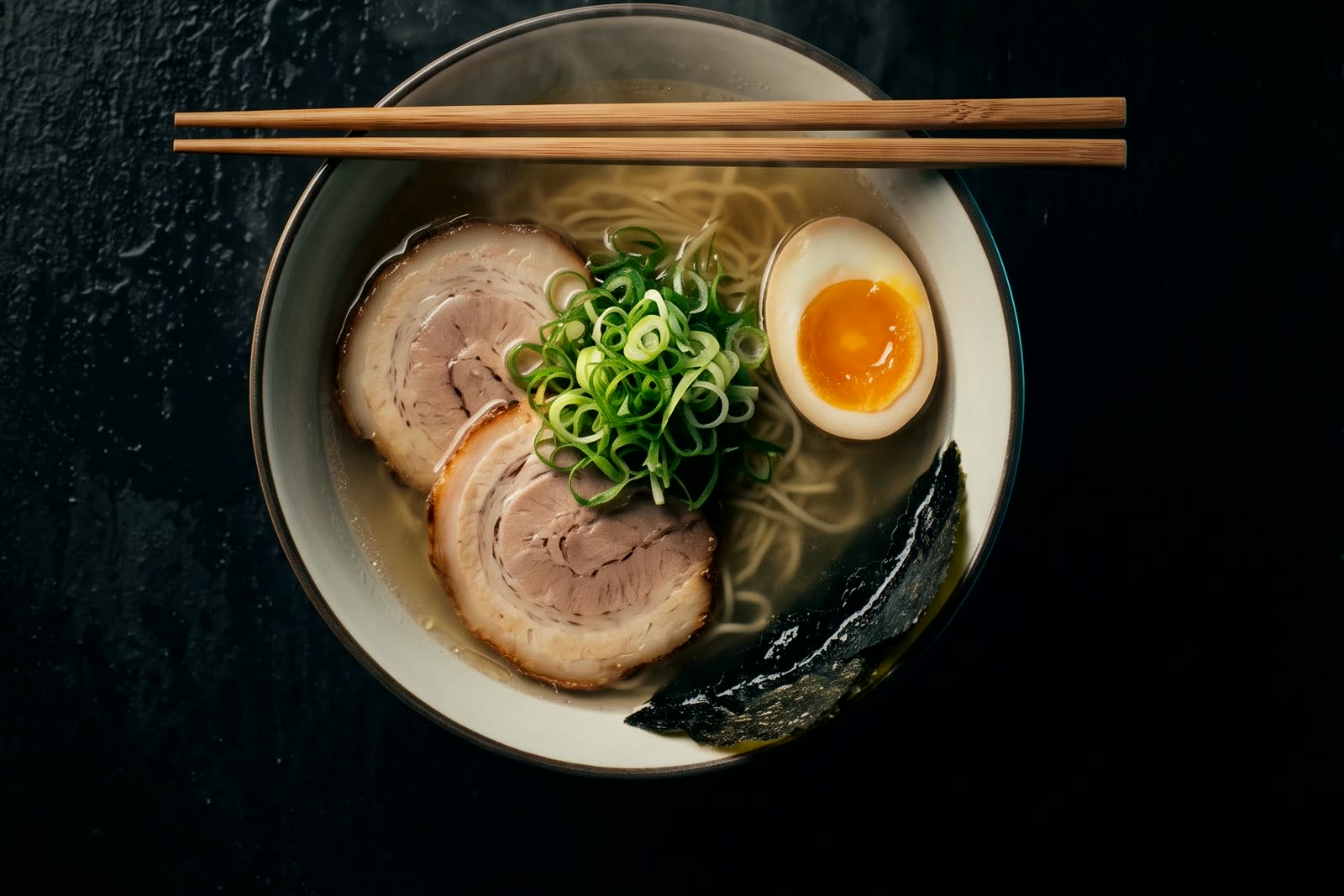
Pork bone broth held at a rolling boil for sixty hours until it runs pale and silken. Chashu, ajitama, thin straight noodles, nori, spring onion. The one that started all of it.
60H BROTHNO.22 NOODLESHOYU TARE
KOTTERI MISO — 濃厚味噌
02 / 濃厚味噌

KOTTERI MISO

15

濃厚味噌

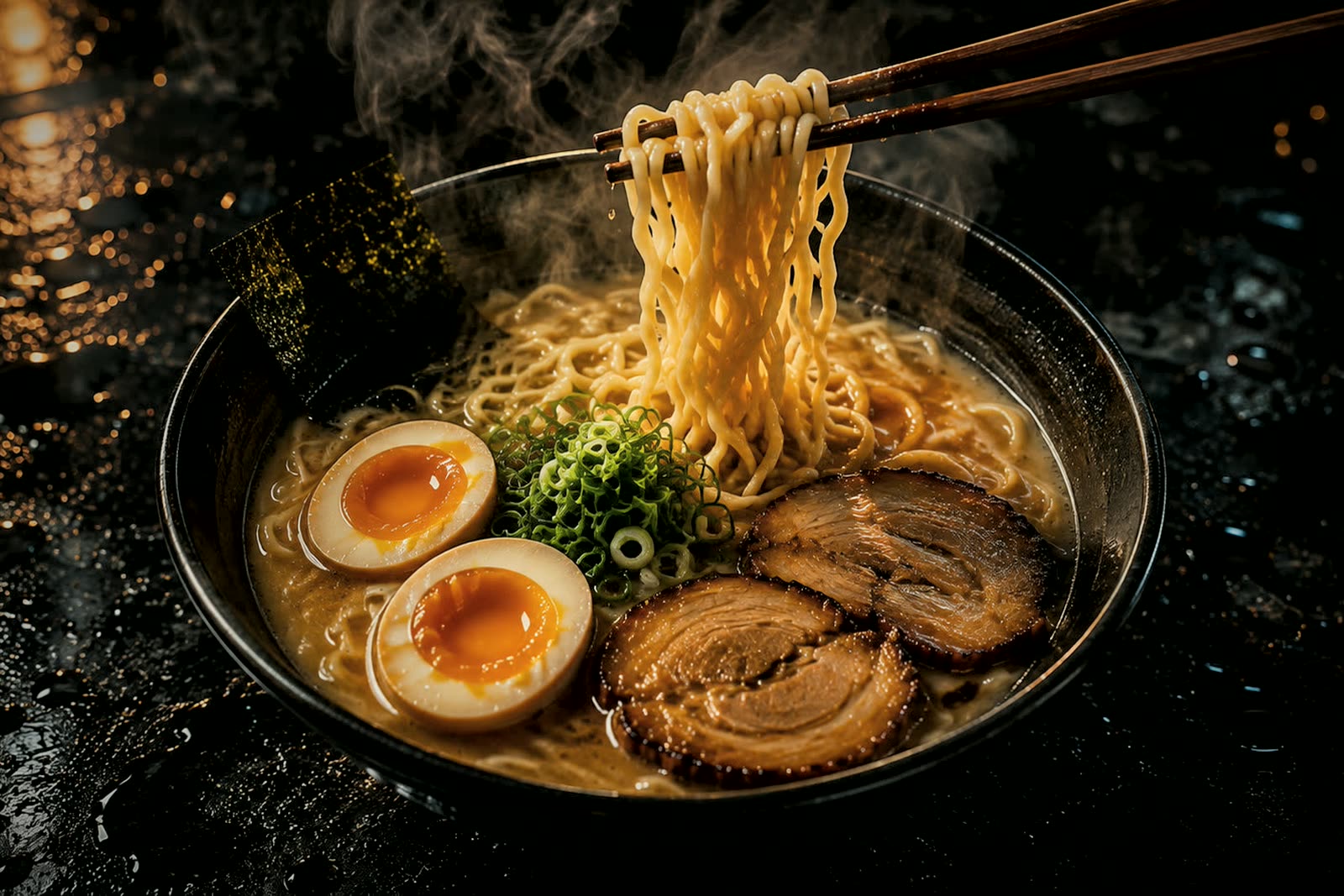
Aged soybean paste beaten into pork broth until it is thick enough to hold the noodle. Chashu, ajitama, wavy noodles, spring onion, nori. The loudest bowl on the menu.
MISO TARENO.16 WAVYPORK BASE
KURO SHOYU — 黒醤油
03 / 黒醤油

KURO SHOYU

17

黒醤油

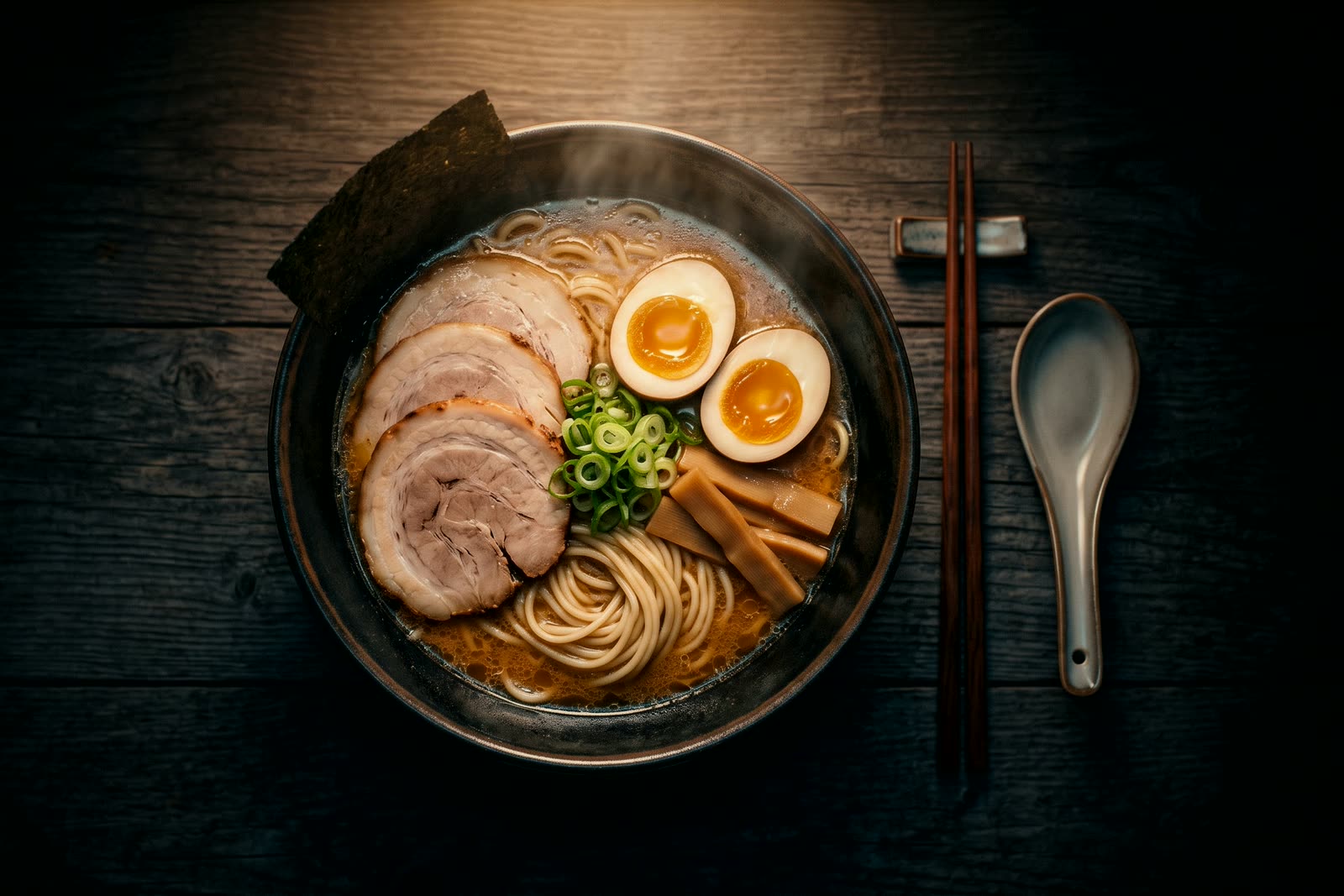
Clear chicken and dashi broth, three-year aged shoyu tare. Chashu, ajitama, menma, nori, straight noodles. The quietest bowl on the menu and the hardest to make.

3Y TAREDASHISTRAIGHT CUT
INTERACTIVE // CUSTOM BOWL
// 02.

BUILD YOUR RAMEN

組み立て

//STEP 1 · BROTH SELECTION
//STEP 2 · ADD EXTRAS
TONKOTSU — 豚骨
02 / BUILD YOUR RAMEN

TONKOTSU

豚骨60H PORK BONE+02
  • 01TONKOTSU豚骨16
  • 02CHASHU叉焼+€3
  • 03AJITAMA味玉+€2
TOTAL PRICE03 / 9
TOTAL PRICE 21 EUR
MEASURED // THE NUMBERS
// 03.

THE STEAM

湯気の世界

STOCK VOLUME
180L
PER BATCHTWICE DAILY
BONE LOAD
42KG
FEMUR + NECKBLANCHED 20M
YIELD
60%
AFTER REDUCTION120 BOWLS
LIVE SIMMER · 92°C
01
16H — MINIMUM SIMMER
MINIMUM SIMMER

The broth is held at a rolling boil for sixteen hours before it is judged. Nothing about that can be hurried.

02
70° — SERVE TEMP
SERVE TEMP

Below seventy the fat begins to set on the surface and the aroma closes. Every bowl leaves the pass above it.

03
70S — NOODLE TIME
NOODLE TIME

Seventy seconds in the basket, no more. The noodle finishes cooking in the bowl on the way to the table.

04
6 — HANDS ON THE LINE
HANDS ON THE LINE

Six people, four stations, one pass. Everything else about the room is designed around that number.

PROCESS // No.04 · SIXTEEN HOURS
// 04.

THE SIMMER

煮込み

ELAPSED00H
SOURCING // NINE KINDS
// 05.

NINE ELEMENTS

手選素材 九種類

Seven hand-selected components, and the two operations that decide them. Every ingredient is sourced from a single producer and refused outright if it arrives below standard — there is no second grade.
0109
  • BONE STOCK — 白湯
    01BONE STOCK白湯FEMUR · 60H
  • CHASHU — 叉焼
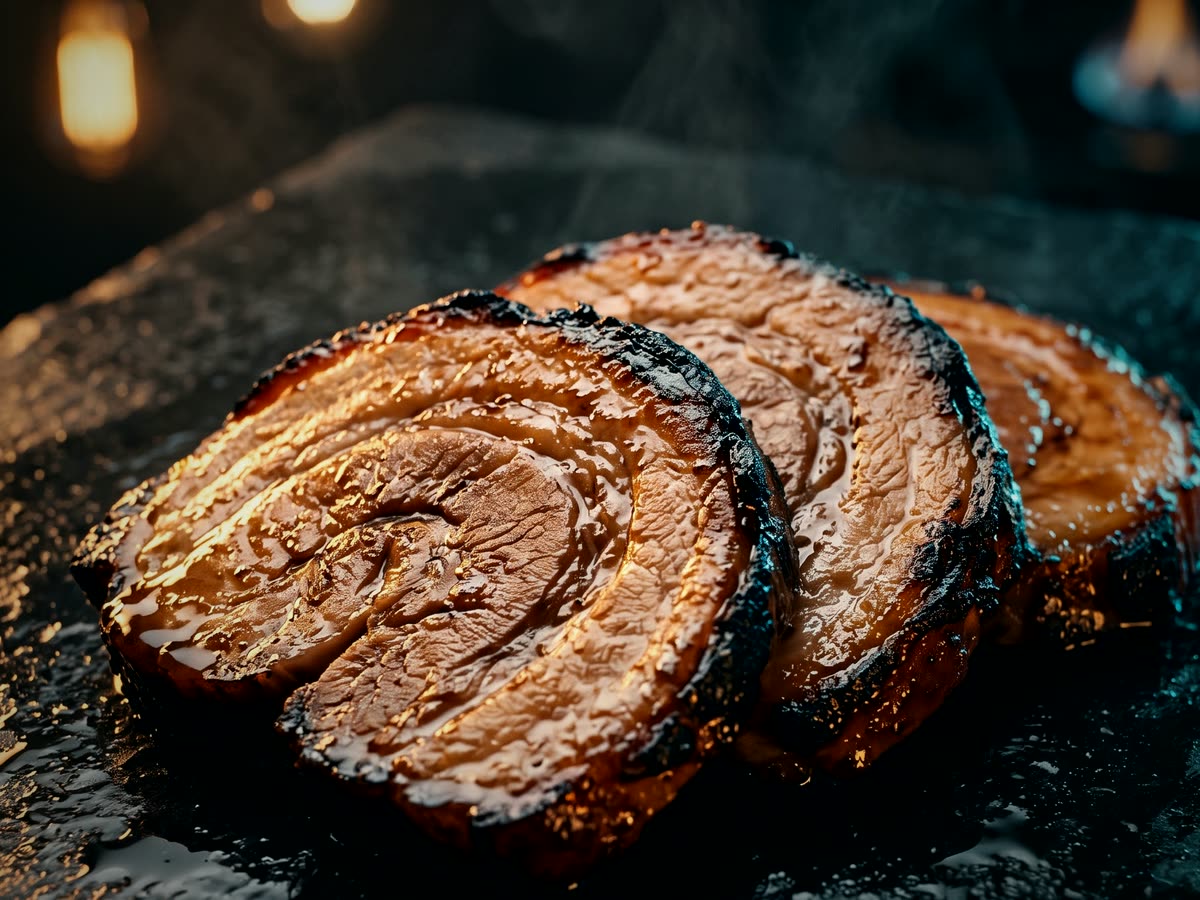
    02CHASHU叉焼PORK BELLY · ROLLED
  • NOODLE — 麺
    03NOODLE#16 · WAVY
  • AJITAMA — 味玉
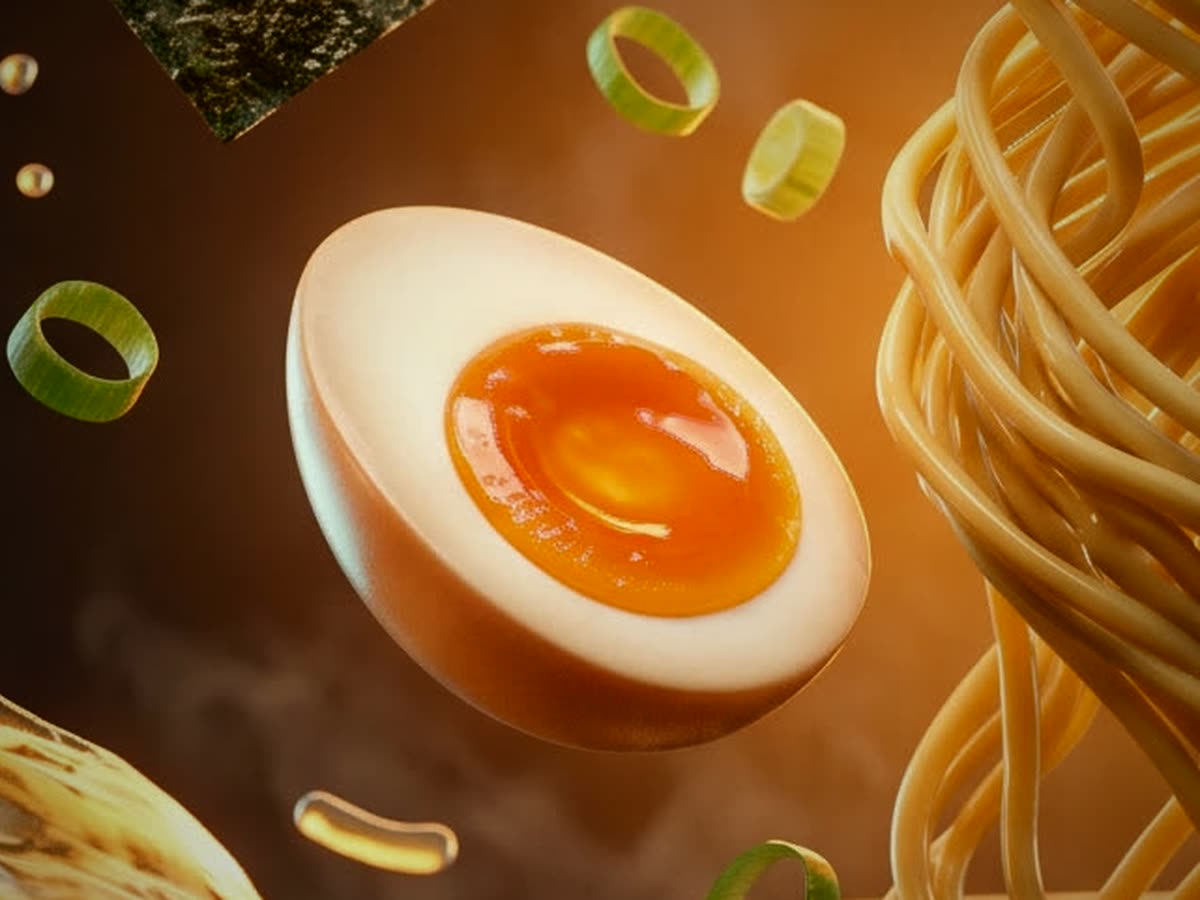
    04AJITAMA味玉6M30S · SHOYU CURED
  • SCALLION — 葱
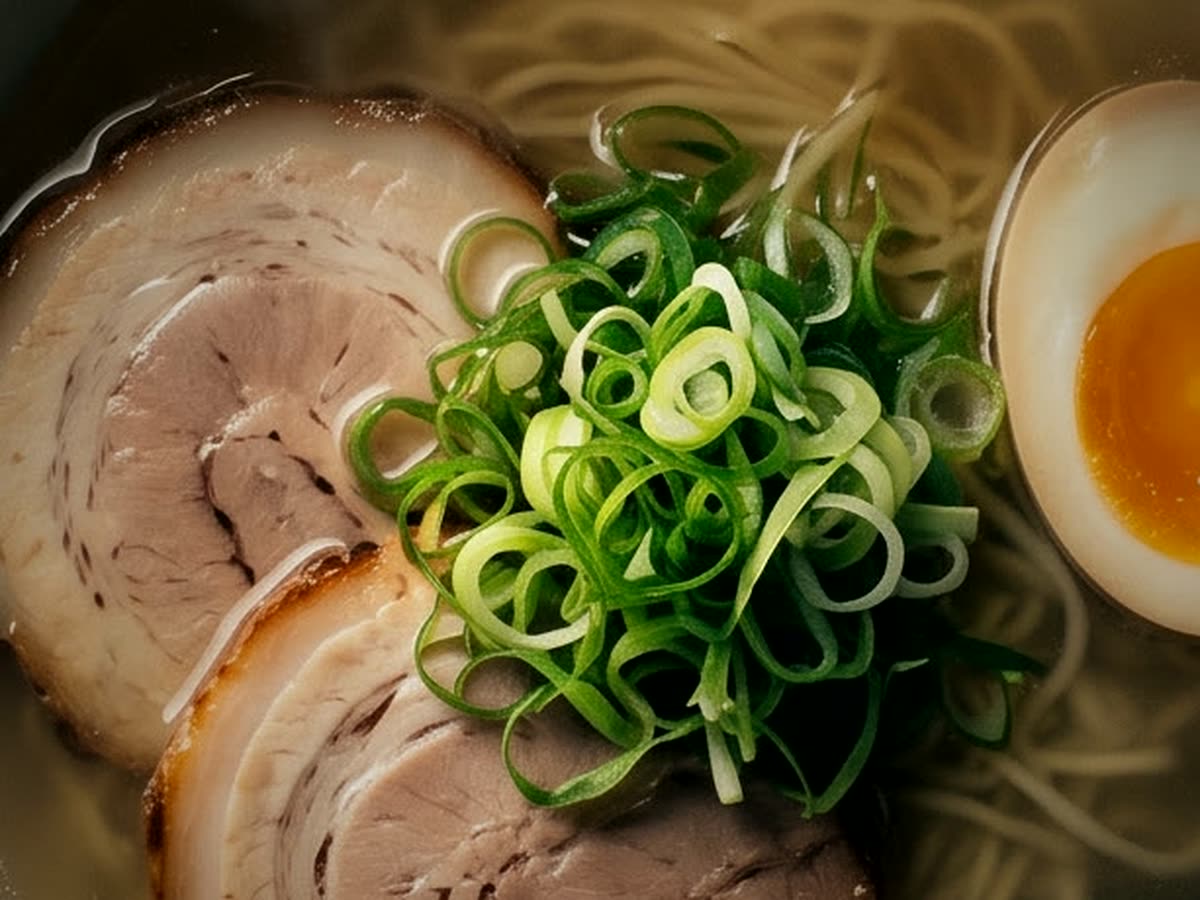
    05SCALLIONCUT TO ORDER
  • THE SIMMER — 煮込み
    06THE SIMMER煮込み16 HOURS · ROLLING
  • THE STRAIN — 麺上げ
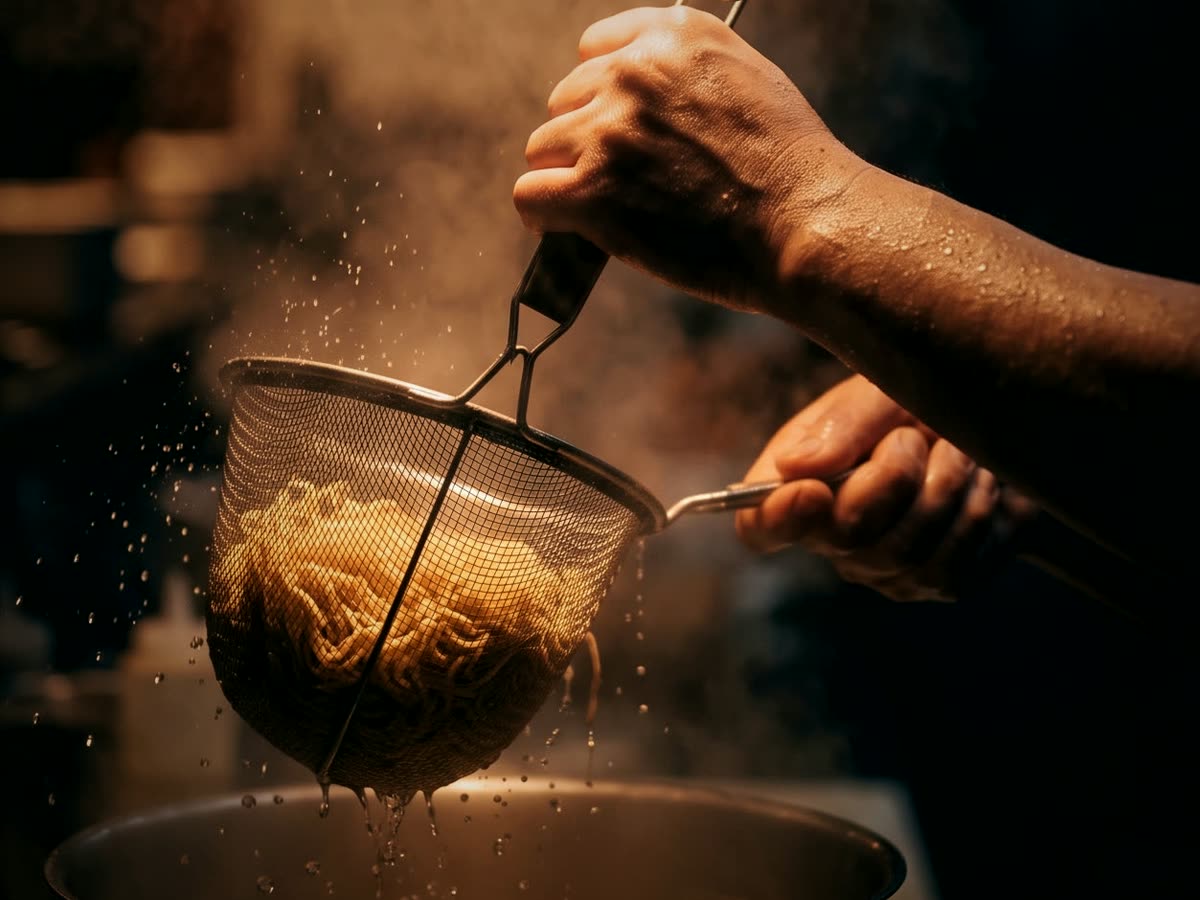
    07THE STRAIN麺上げWIRE BASKET · 3 SHAKES
  • MENMA — メンマ
    08MENMAメンマBAMBOO · FERMENTED
  • NORI — 海苔
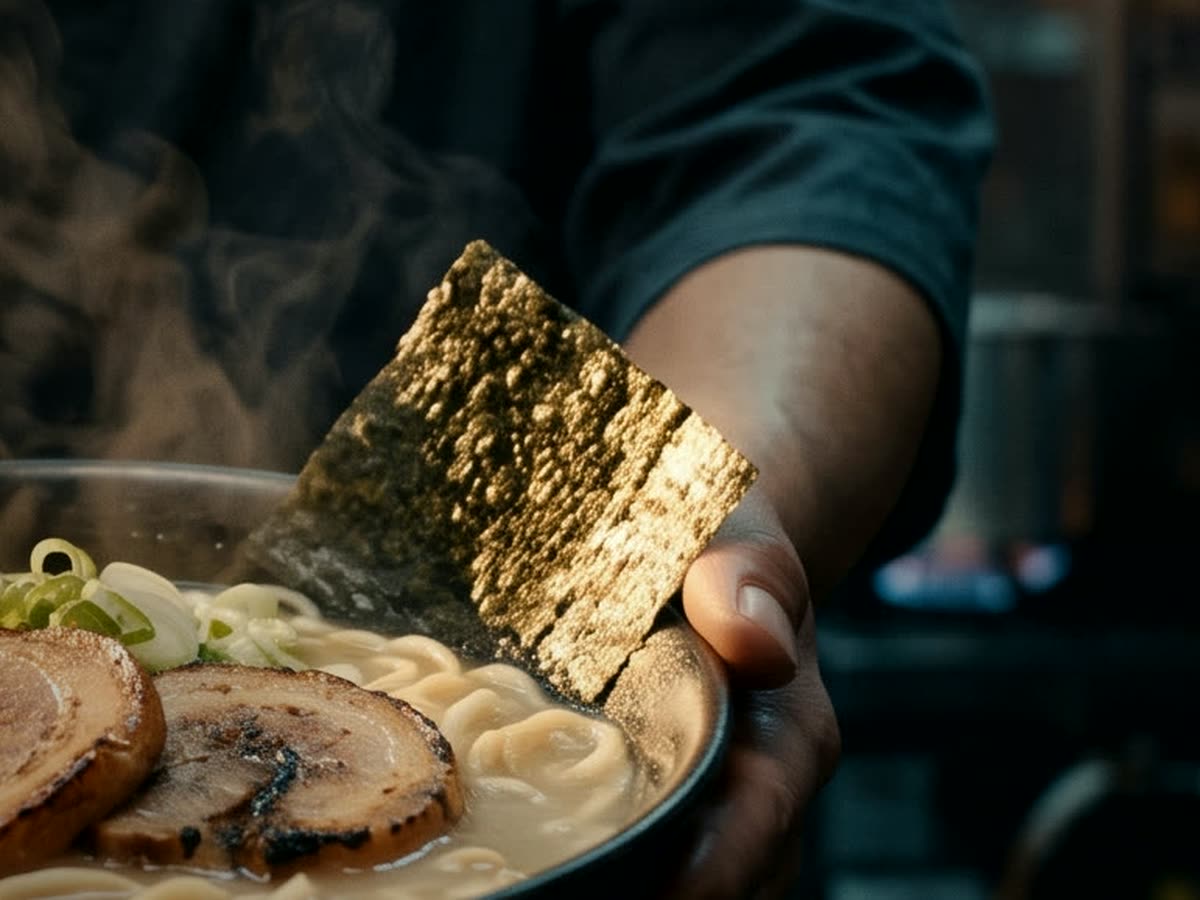
    09NORI海苔ARIAKE · GRADE A
01 / 03

THE SHAKE

湯切り

Water is driven out of the noodle in three sharp movements. Any left behind thins the broth in the bowl and the bowl is wrong.

02 / 03

THE SEAR

炙り

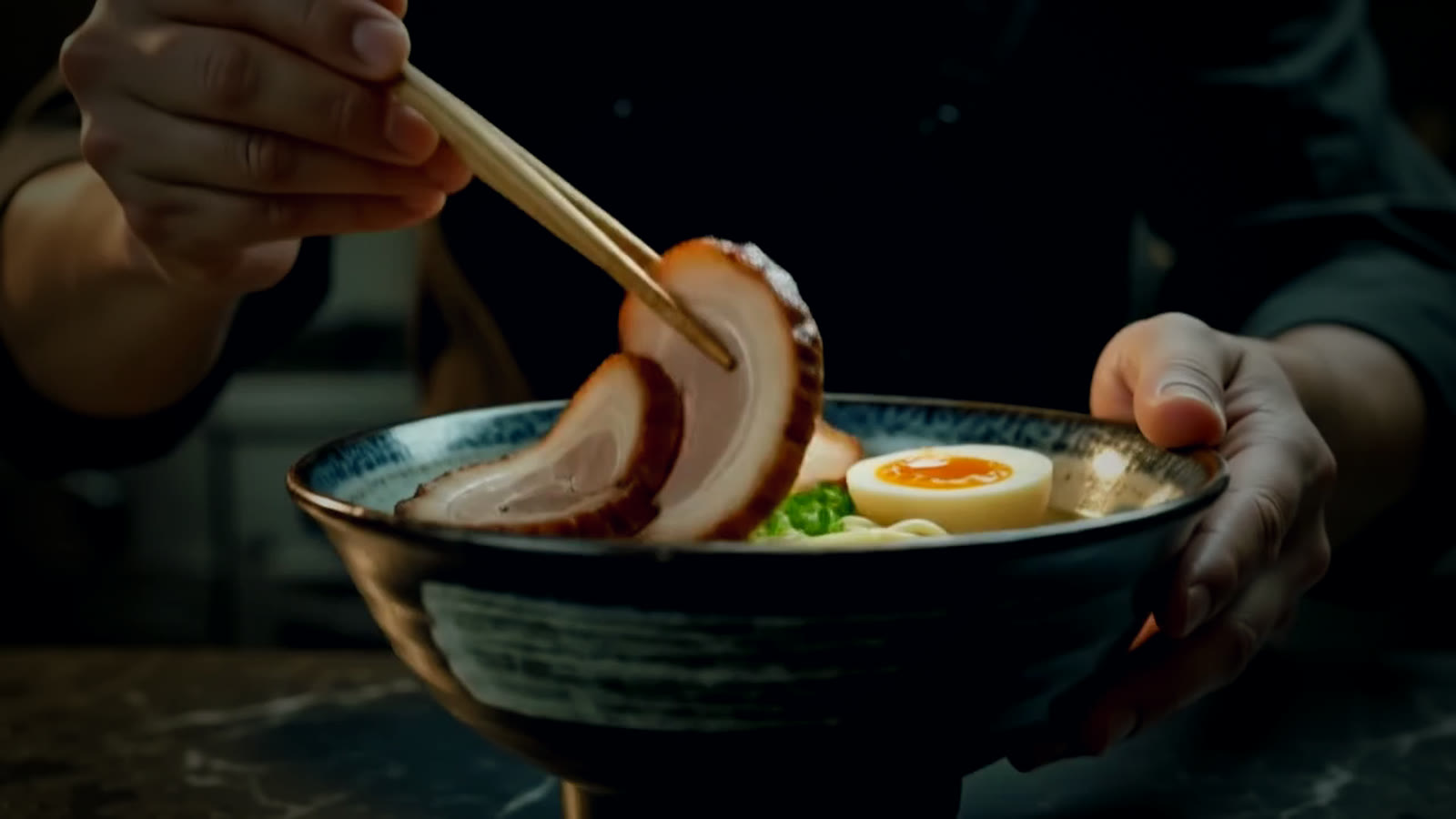
The chashu meets an open flame for eleven seconds a side. Fat renders, sugar catches, and the slice goes straight onto the noodle.

03 / 03

THE PLATE

盛り付け

Every component has a fixed position in the bowl. Twenty seconds from pass to table, and the arrangement never varies.

PROCESS // THREE HANDS
// 06.

THE CRAFT

匠の技

01/ 03
ORIGIN // EST. 1910// 07.

THE STORY

物語

中国 · CHINA
LA MIAN拉麵
日本 · JAPAN
RAMENラーメン

Born in Yokohama, 1910. Chinese wheat noodles meet Japanese craft.

One dish, two names, and a hundred years of argument about which is right.
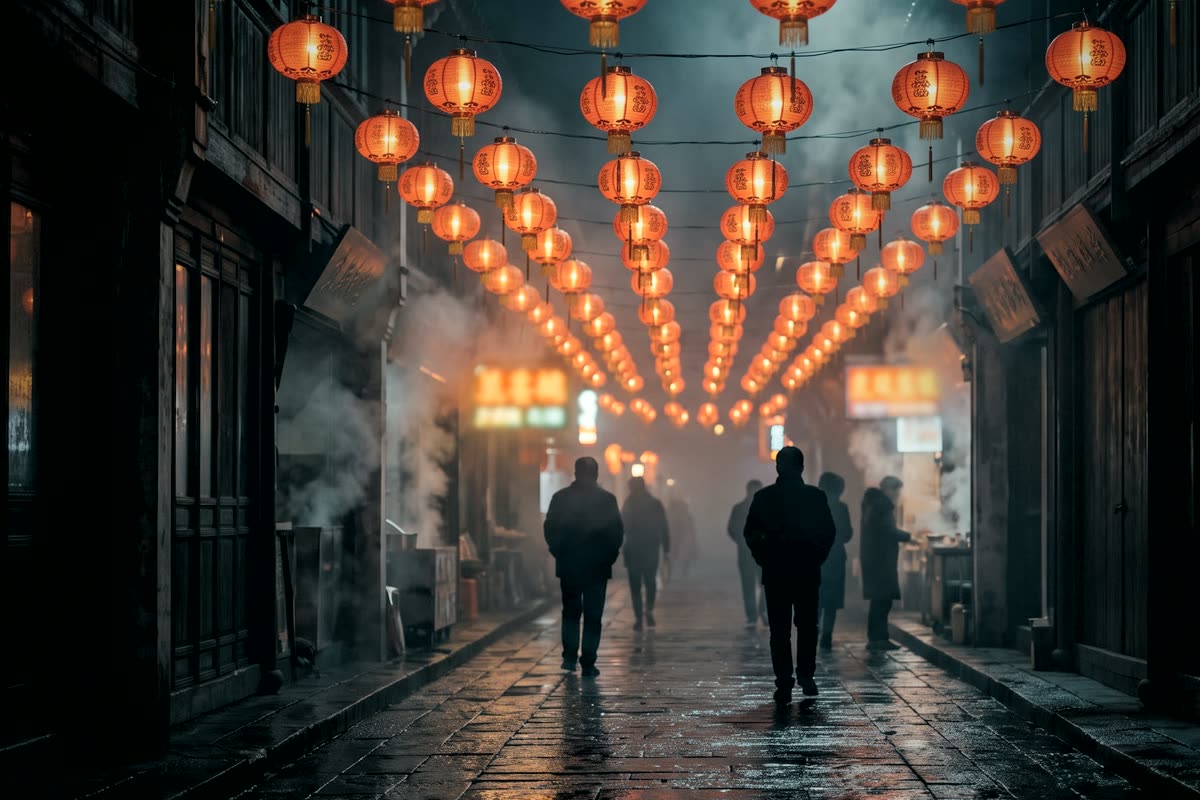
1910 — THE FIRST SHOP / 最初の店01 / 最初の店
1910

THE FIRST SHOP

最初の店

Rairaiken opens in Asakusa with twelve Cantonese cooks. Wheat noodles in a clear salt broth — the first bowl anyone in Japan called Shina soba.
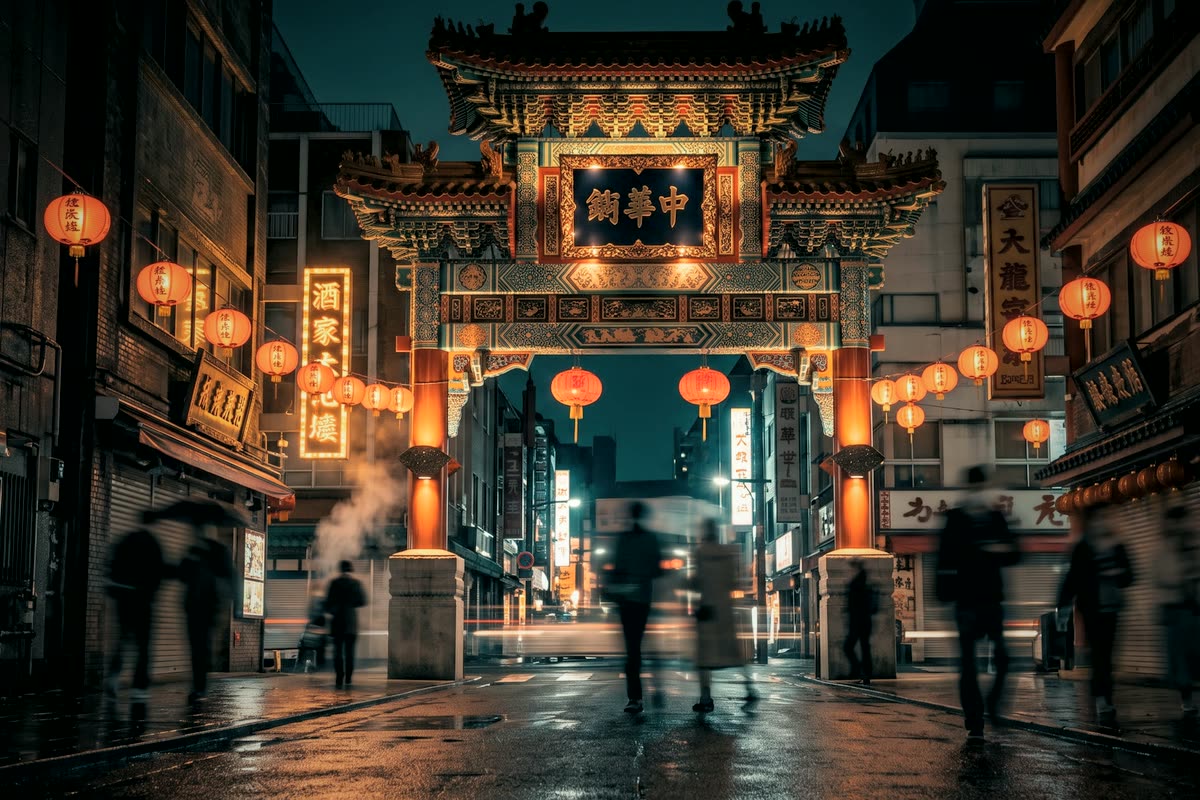
1945 — THE BLACK MARKET / 闇市02 / 闇市
1945

THE BLACK MARKET

闇市

American wheat floods a hungry country. Street carts push noodles because rice is rationed, and the dish stops being foreign.
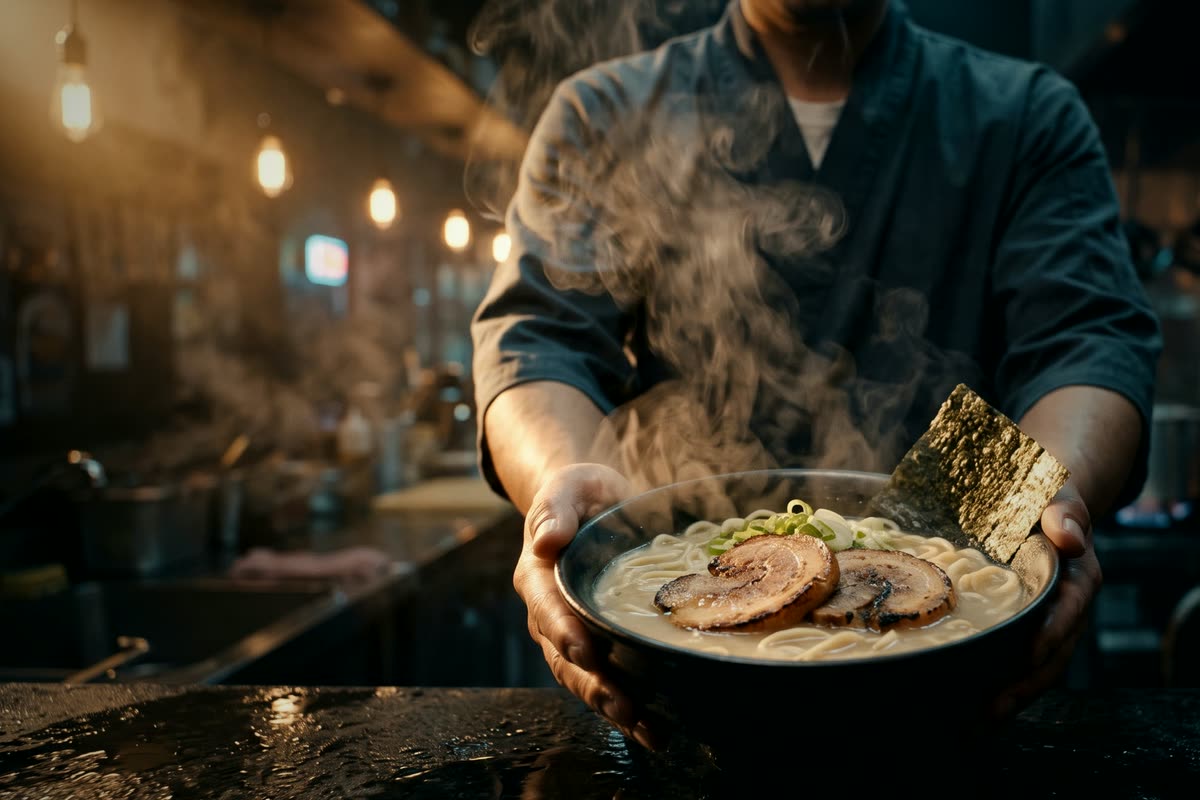
1958 — THE COUNTER / カウンター03 / カウンター
1958

THE COUNTER

カウンター

Momofuku Ando fries a noodle block in his shed in Ikeda, and within a decade ramen is the most exported meal Japan has ever made. The bowl handed across a counter never moves an inch.
1994 — THE MUSEUM ERA / 博物館の時代04 / 博物館の時代
1994

THE MUSEUM ERA

博物館の時代

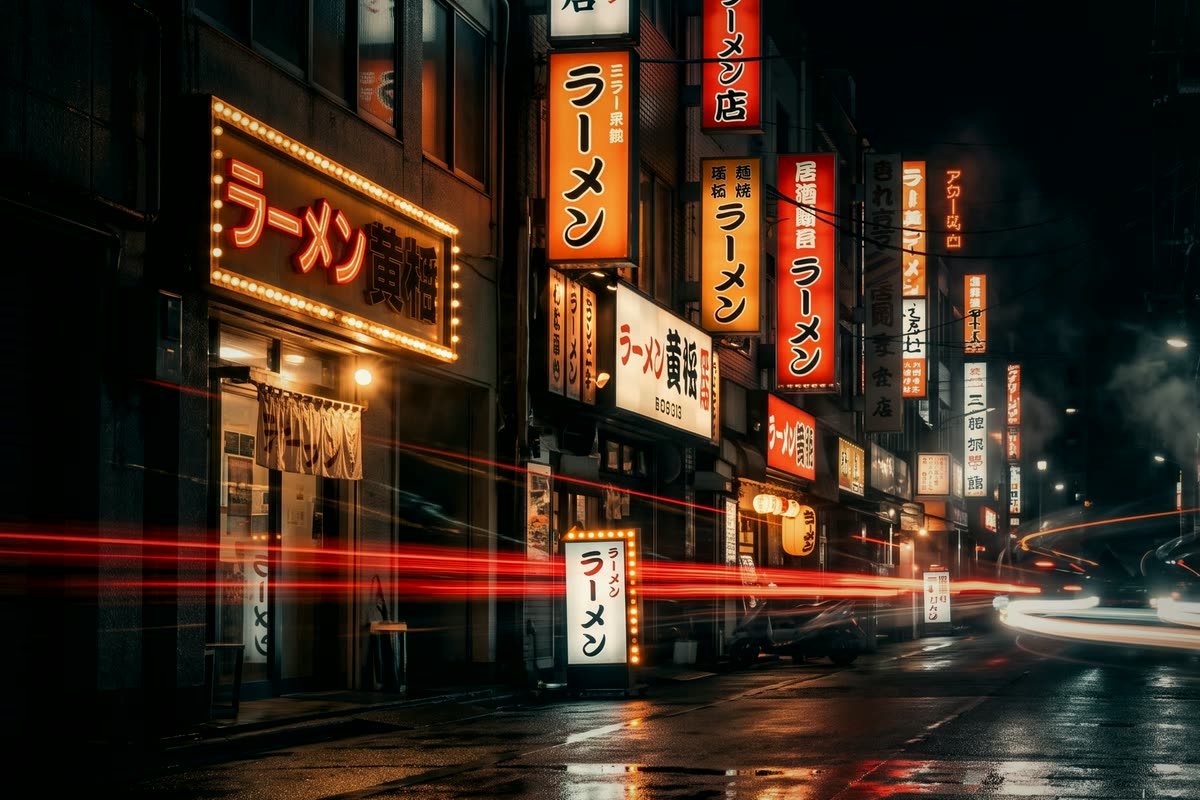
Yokohama builds a museum to a soup. Regional styles are catalogued like dialects — and outside, the street carries on arguing in neon.

RESERVE // TABLE OF SIX OR FEWER
// 08.

ORDER YOUR RAMEN

ご注文 らーめん

Open daily from 11:00. Walk-ins welcome for one or two — anything larger, book it.

OPEN / 営業中UMAMI // RAMEN
01SELECT DATE
————
SUNMONTUEWEDTHUFRISAT
02SELECT TIME
LUNCH 11:00–14:30
DINNER 17:00–22:30
03YOUR DETAILS
04GUESTS
2 guests
1–6 人

REQUIRED // DATE · TIME · NAME · EMAIL